Chronic inflammation is basically the immune system in overdrive, attacking the body when there’s no real threat. It’s like having a smoke alarm that won’t stop going off even when there’s no fire. This low-level inflammation can stick around for weeks, months, or even years, and it’s connected to almost everything that hurts, from joint pain to fatigue to brain fog. The good news is that what people eat and what they add to their diet can actually help turn down the volume on this inflammatory response.
Understanding Where Inflammation Comes From
Most people don’t realize that inflammation doesn’t just happen by accident. Daily choices about what someone eats, how they move, and how they handle stress are literally sending signals to the body about whether it should be inflamed or calm. Processed foods and too much sugar are basically telling the immune system to stay on high alert, while whole foods rich in specific nutrients are like little messengers telling the body to relax and stop overreacting.
Gut health plays a bigger role in inflammation than most people think because when the digestive system isn’t working well, harmful bacteria can leak through the intestinal lining and trigger the immune system to go haywire. This is why so many people find relief once they start paying attention to gut health instead of just treating the symptoms.
Choosing Foods That Fight Back
Before spending money on anything, people should know that real food is still the most powerful tool available. Foods that are naturally rich in omega-3 fatty acids, like fatty fish and flaxseeds, have been helping people manage inflammation for generations. Berries are another winner because they contain compounds called anthocyanins that the body recognizes as helpers in calming things down. Leafy greens like spinach and kale work similarly, giving the body the raw materials it needs to heal itself. The beauty of this approach is that it doesn’t require buying special products or following complicated rules.
The Mediterranean diet has become popular for inflammation management because it’s basically just a collection of foods that happen to be anti-inflammatory. People eating this way tend to feel better, have more energy, and experience less pain without needing to take anything extra.
That doesn’t mean someone needs to go all-in on a specific diet. Even small changes like cooking with olive oil instead of vegetable oil or adding turmeric to meals can make a real difference over time.
Adding Nutrients the Body Needs
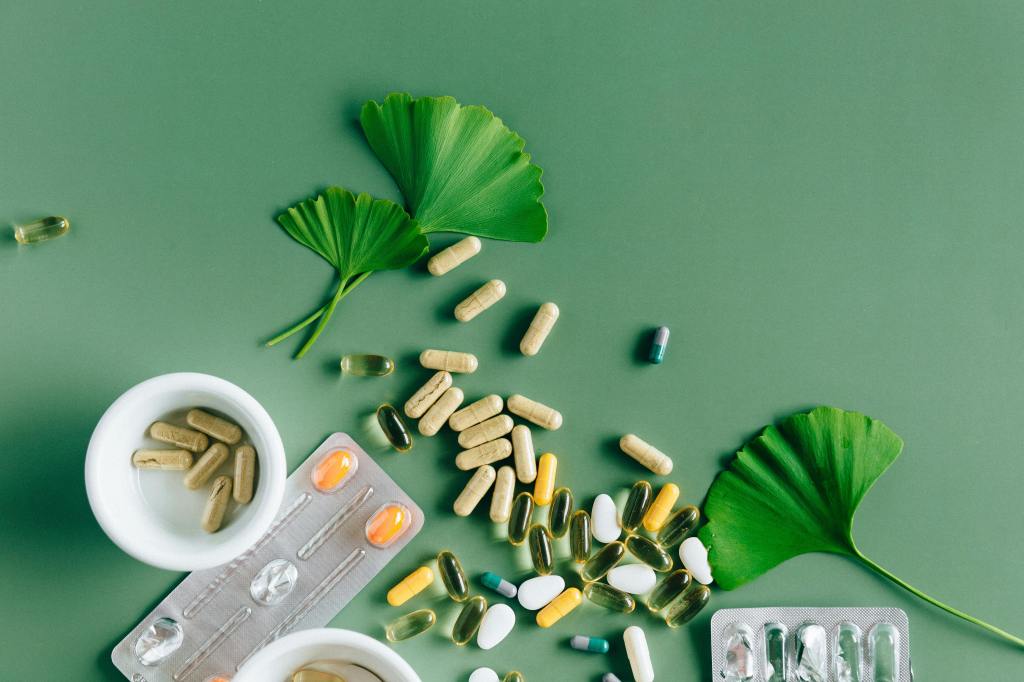
Sometimes food alone isn’t enough, especially if someone has been dealing with inflammation for a while. This is where nutritional supplements come into the picture.
When people consider adding supplements, they’re looking at a few key players that show up consistently in research:
- Omega-3 supplements help when people don’t eat enough fish or plant-based sources, and they’ve been studied extensively for their role in reducing inflammation markers
- Vitamin D is essential because most Americans don’t get enough sun exposure to produce it naturally, and the immune system relies on it to function properly
- Curcumin from turmeric has shown up in research studies as something that can actually reduce inflammatory responses in the body
- Quercetin is a natural compound found in apples and onions, but some people take it separately to get a more concentrated dose
The key here is that people aren’t adding mysterious chemicals but rather concentrating compounds that already exist in nature. The body recognizes these and knows what to do with them.
Building a Plan That Actually Works
The mistake most people make is starting everything at once and then giving up when they don’t feel better in a week. Real change takes time because the body didn’t get inflamed overnight, and it won’t calm down overnight either.
A smarter approach is picking one or two changes to make and sticking with them for at least a month before adding anything else. Maybe someone starts by cutting back on added sugars and drinking more water, then later adds in a specific supplement. This gradual method actually works better because the person can tell which changes are making a real difference in how they feel.
Tracking how someone feels matters more than tracking anything else. Keeping notes about energy levels, pain, sleep quality, and mood as changes are made can reveal patterns that blood tests might miss. People will probably start noticing shifts in how they feel before seeing any dramatic changes in clinical measurements. This is the body sending a clear message that progress is happening.
Supporting the Body’s Natural Healing
Remember that supplements are meant to support efforts, not replace the fundamentals. People still need to move their bodies regularly, manage stress, and get enough sleep because these things influence inflammation more than most realize. An anti-inflammatory strategy that ignores sleep is like trying to fill a bathtub while the drain is still open. The work done during the day means nothing if the body can’t recover properly at night.
What works for someone else might not work exactly the same way for another person. The body is unique, and staying flexible while experimenting with different approaches matters. Some people feel better in weeks while others need a few months to really notice the changes. The important thing is taking consistent action instead of waiting for inflammation to fix itself.


Leave a Reply